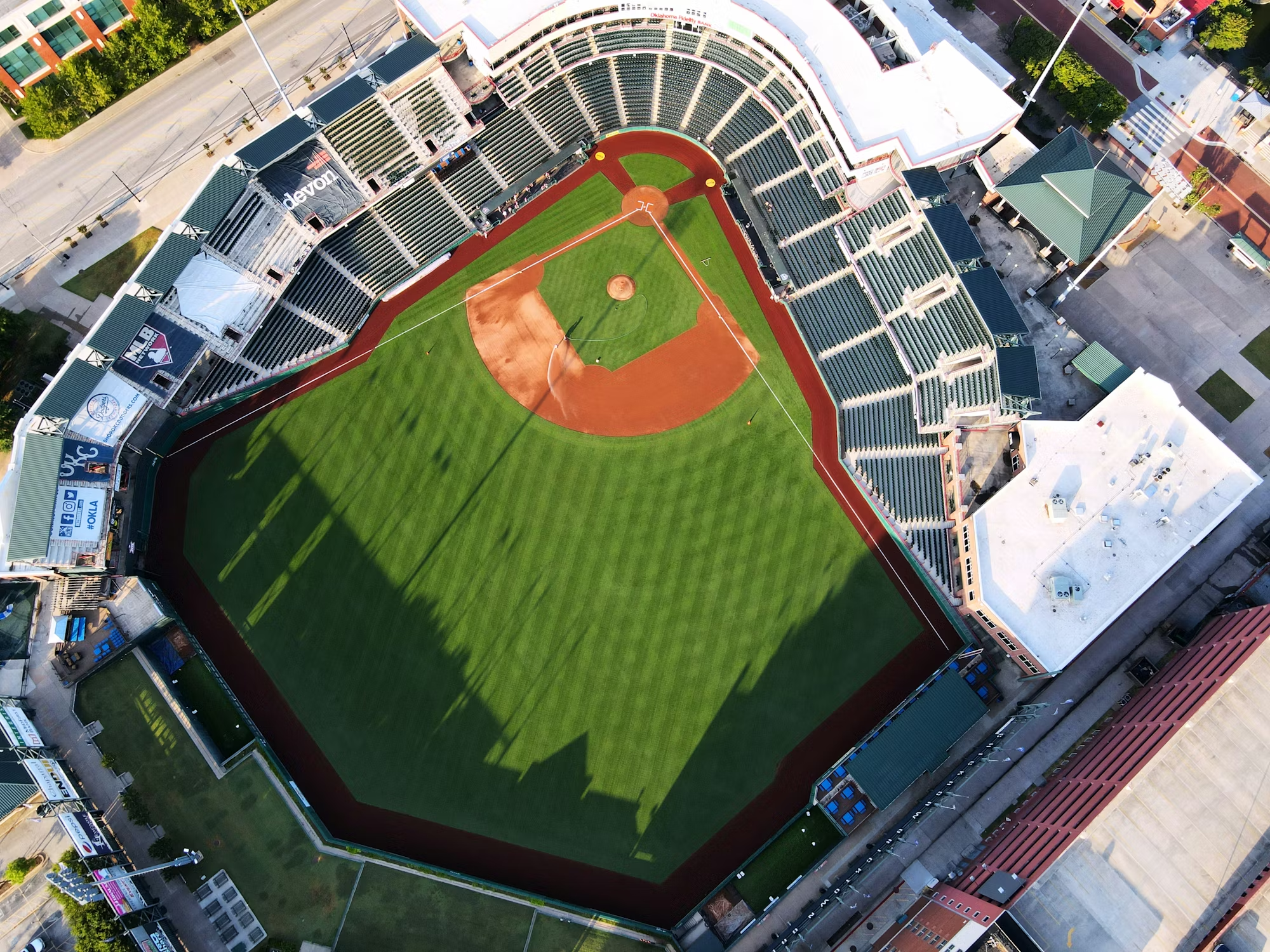
Baseball is often referred to as America’s pastime, but its significance extends far beyond mere entertainment. It embodies a culture rich in traditions, community spirit, and emotional connections that resonate with fans of all ages. This article delves into the various aspects of baseball culture, from time-honored traditions to the deep bonds formed within communities.
The Essence of Baseball Traditions
Baseball is steeped in tradition, with many rituals and customs that have developed over the years. From the iconic seventh-inning stretch to pre-game ceremonies, these rituals enhance the experience for both players and fans. The seventh-inning stretch, for instance, provides a moment for fans to stand up, stretch, and sing “Take Me Out to the Ball Game.” This tradition not only invigorates the crowd but also fosters a sense of unity among attendees, creating a collective experience that is integral to the game.
Another beloved tradition is the throwing of the first pitch. This ceremonial act is often reserved for special guests, ranging from local celebrities to former players, symbolizing the passing of the torch and the continuity of the sport. It’s a moment that brings together generations of fans, uniting them in their shared love for baseball.
Fan Engagement: The Heart of the Game
Baseball fans are known for their passion and dedication. The atmosphere at a baseball game is electric, with fans engaging in cheers, chants, and sometimes playful rivalries. This engagement is particularly evident during rivalry games, where the stakes are high, and the energy in the stadium is palpable. These matchups are not just about the game; they embody community pride and loyalty, creating a charged atmosphere that elevates the experience for everyone involved.
Beyond the games themselves, fans often participate in tailgating—an age-old tradition that involves gathering in the parking lot before the game to share food, drinks, and stories. Tailgating fosters community spirit and camaraderie, allowing fans to connect with one another and strengthen their bonds before cheering on their team. This sense of belonging is a significant aspect of baseball culture, as it encourages friendships that extend beyond the ballpark.
Iconic Rivalries and Their Impact
Baseball is rich with storied rivalries that have captivated fans for decades. Matchups like the New York Yankees vs. the Boston Red Sox are steeped in history and passion, representing not just a competition on the field but also cultural and regional identities. These rivalries ignite emotions, drawing fans into a fierce yet friendly competition that spans generations.
The intensity of these matchups often spills into everyday life, with fans displaying team colors, memorabilia, and even participating in local events themed around their favorite teams. This sense of identity creates a community atmosphere where fans support one another, regardless of the outcomes of the games.
Baseball Folklore and Legends
The rich tapestry of baseball culture also includes folklore and legends that have become part of the sport’s narrative. Stories of legendary players like Babe Ruth, Jackie Robinson, and Hank Aaron are not just about their on-field achievements; they represent the values of perseverance, teamwork, and courage that resonate with fans. These stories are passed down through generations, inspiring young athletes and enriching the cultural fabric of baseball.
Moreover, baseball parks themselves are often seen as hallowed ground. Many fans have deep emotional connections to the ballparks where they watched games with family and friends. Iconic stadiums like Fenway Park and Wrigley Field are not merely venues; they are symbols of nostalgia, representing a connection to the past and the experiences shared within their walls.
Community Outreach and Youth Development
Beyond the excitement of the game, baseball organizations play an essential role in community outreach and youth development. Major League Baseball (MLB) has initiated various programs aimed at encouraging youth participation, fostering skills, and promoting healthy lifestyles. Initiatives like “Play Ball” provide resources for kids to engage with the sport, ensuring that baseball remains accessible to future generations.
Local teams often host clinics and camps, offering young players opportunities to learn from experienced coaches and players. These programs not only teach the fundamentals of the game but also instill values such as teamwork, discipline, and sportsmanship. By nurturing young talent, baseball organizations contribute to building a sense of community that extends well beyond the field.
The Role of Media in Baseball Culture
In today’s digital age, the media plays a significant role in shaping baseball culture. Social media platforms allow fans to engage with teams and players in real-time, fostering a sense of connection that transcends geographical boundaries. This instant interaction has transformed the way fans experience baseball, allowing them to share their thoughts, celebrate victories, and commiserate over losses together.
Podcasts, blogs, and online forums have also emerged as vital spaces for fans to discuss strategies, analyze games, and celebrate their favorite players. This wealth of information not only enhances fans’ understanding of the game but also cultivates a community of enthusiasts who share a common passion.
Conclusion
The culture surrounding baseball is a vibrant tapestry woven with traditions, emotional connections, and community spirit. From the timeless rituals that define the game to the passionate engagement of fans, baseball transcends mere competition; it embodies the values of unity and camaraderie. As we celebrate this rich culture, we recognize that baseball is not just a game, but a cherished part of our shared experience, connecting generations and fostering lifelong memories. Through its enduring traditions and the bonds it creates, baseball will continue to inspire and unite communities for years to come.